Empire Copper Sulphide Vein System
The historically mined copper sulphide vein system located directly beneath Phoenix’s proposed Empire Open-Pit presents significant upside potential.
The Empire Ore deposit is understood to be largely made up of a copper sulphide vein system, which we believe may be the company’s most valuable asset. The proposed Empire Open-Pit represents the portion of the copper deposit within approximately 120 meters of the surface, where oxidation over millennia has converted the sulphide material into copper oxides. Beneath the proposed open pit, extending over 5 kilometers, lies a potentially significant copper sulphide vein system that is open laterally and at depth.
History of Empire
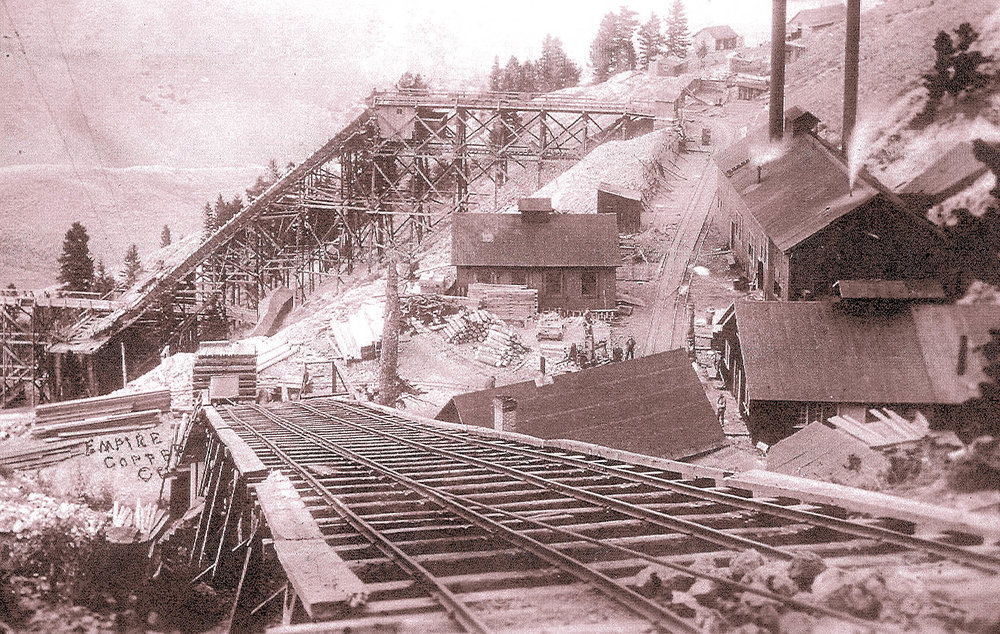
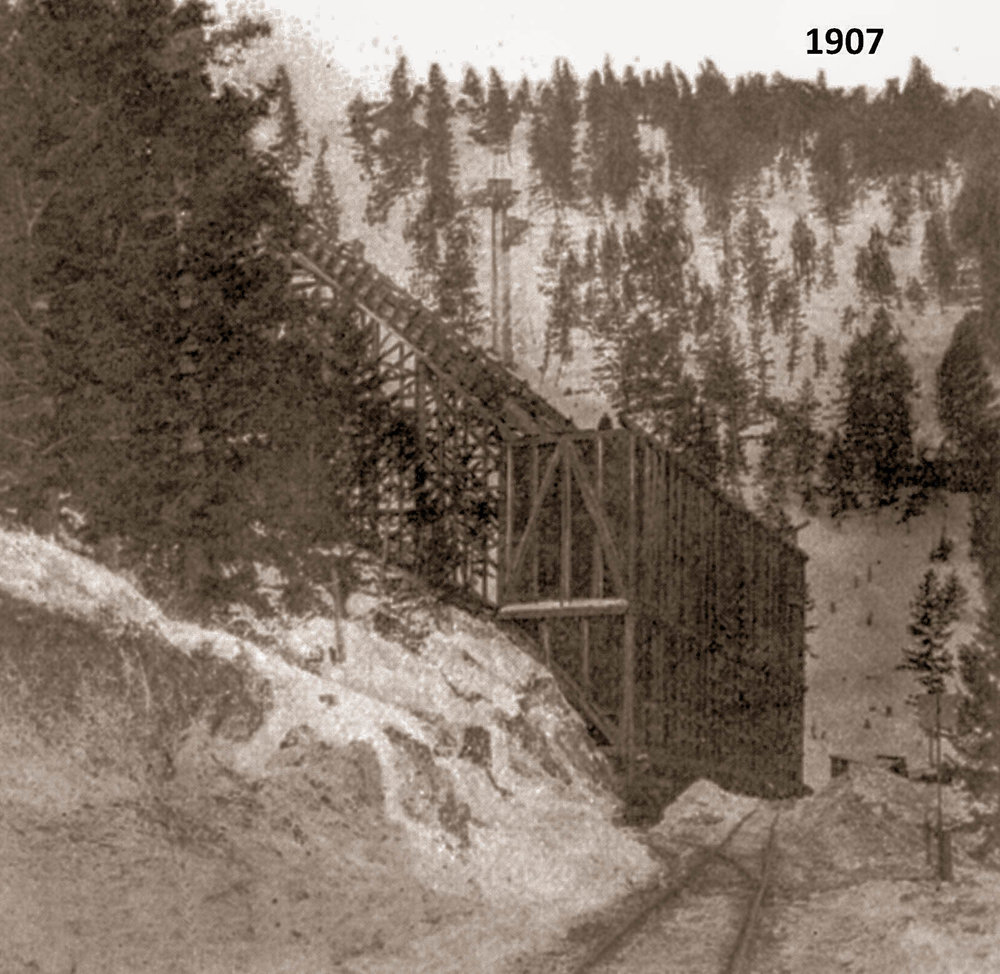
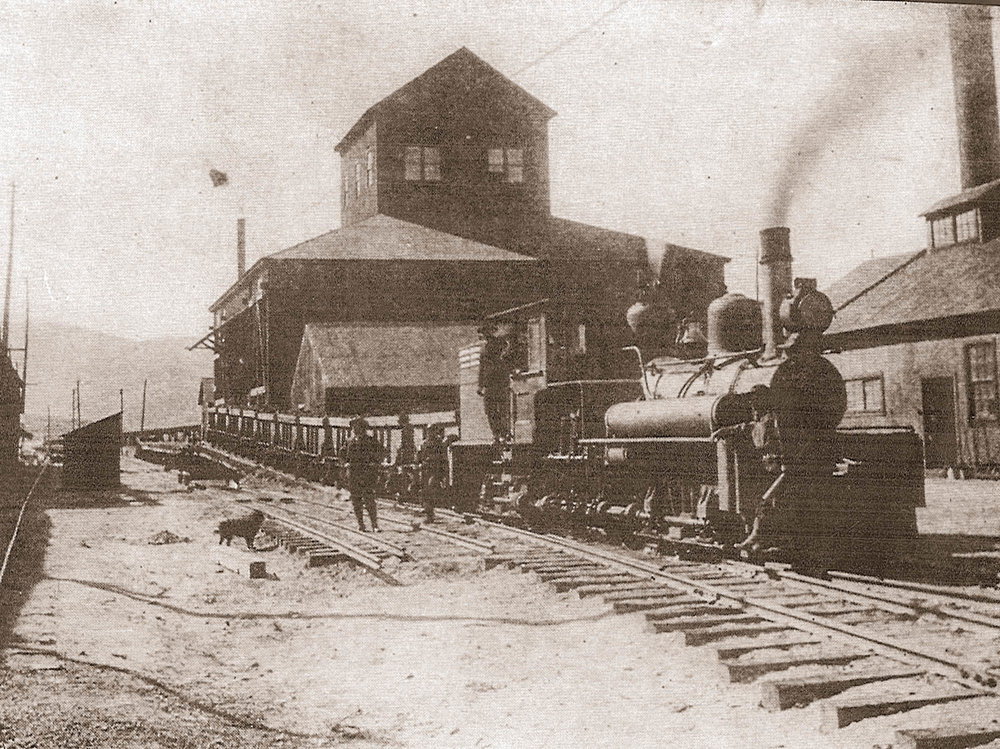
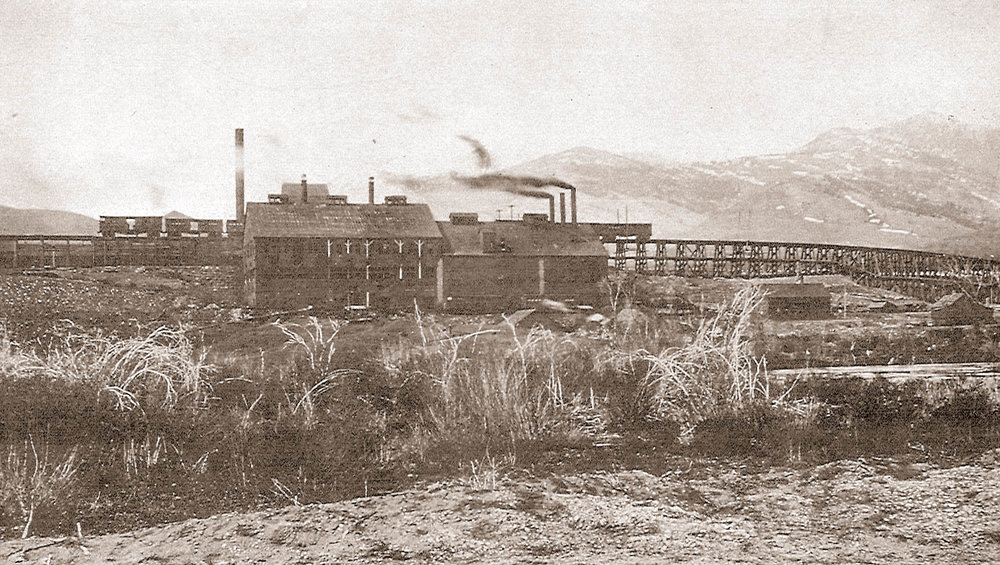
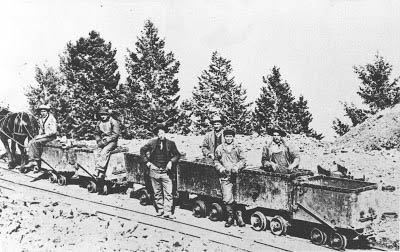
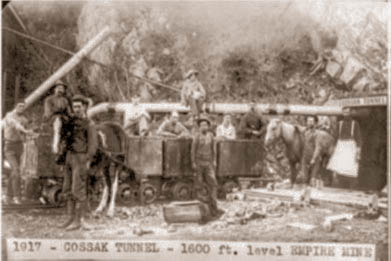
- Between 1901 and 1942, 694,000 tonnes of sulphide-rich ore are documented as having been extracted from beneath the proposed Empire Open Pit, yielding up to 8% copper, 1.64 g/T gold and 54 g/T silver.
- Shortly before the mine closed in 1942, one of the last loads of ore processed carried 4% tungsten.
Modern Exploration
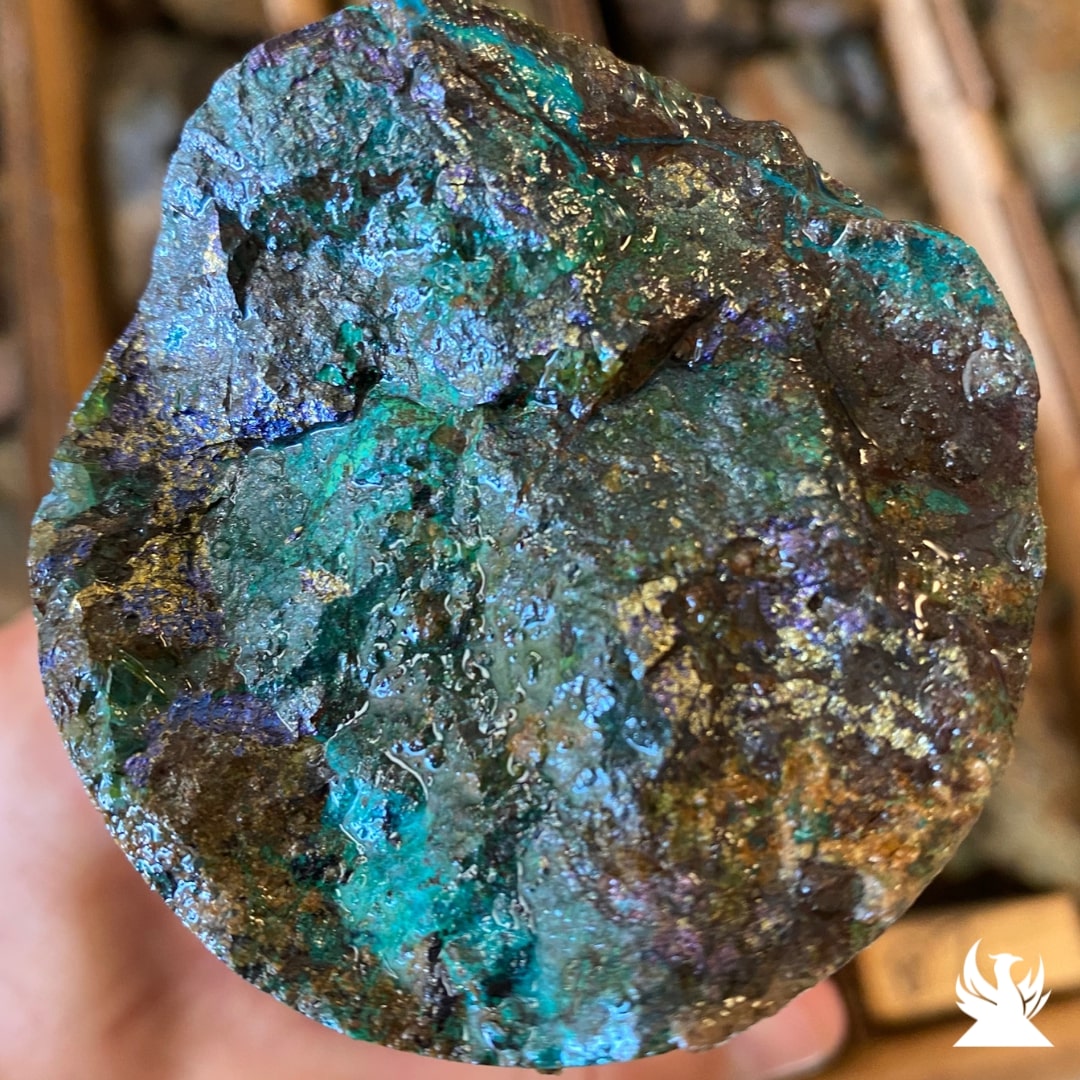
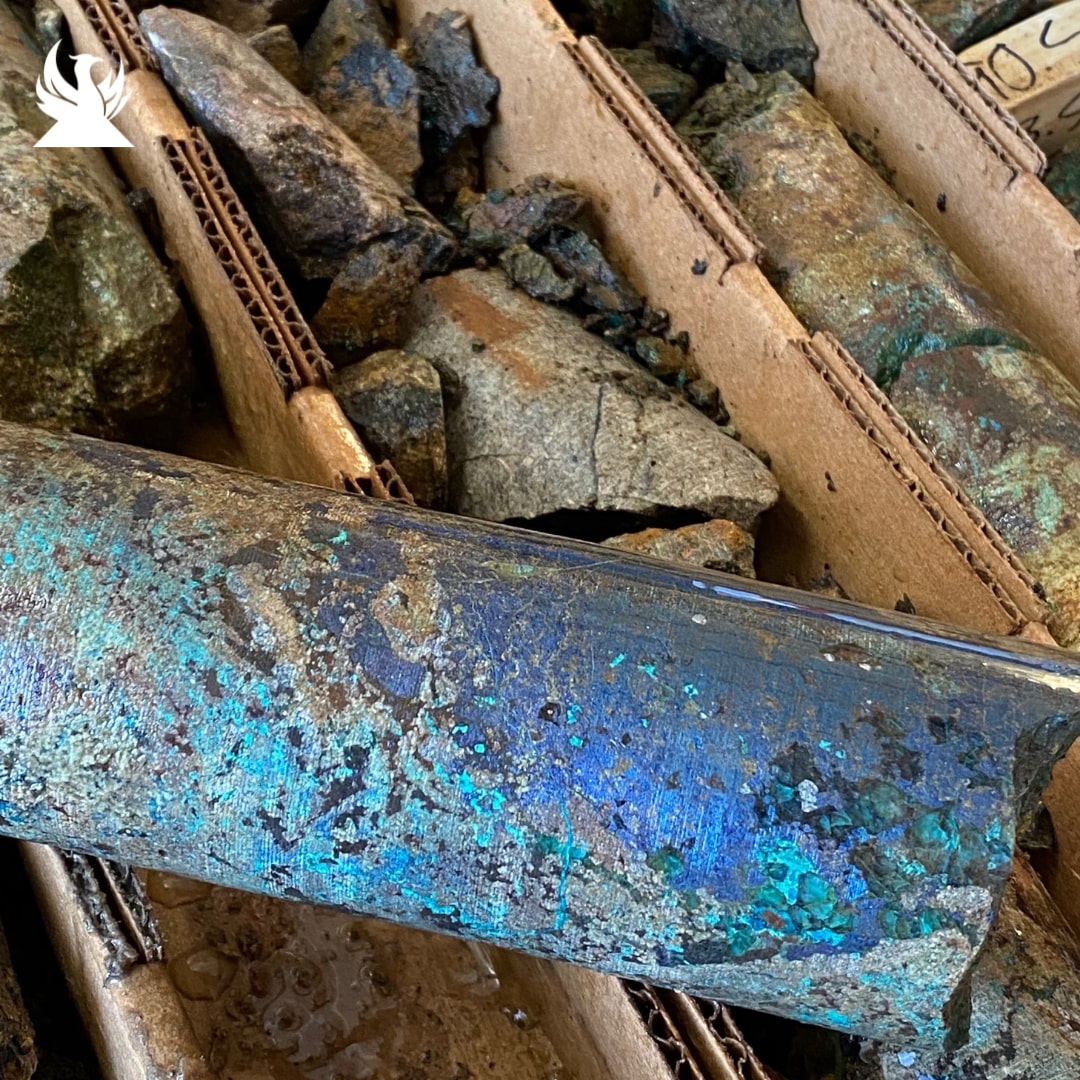
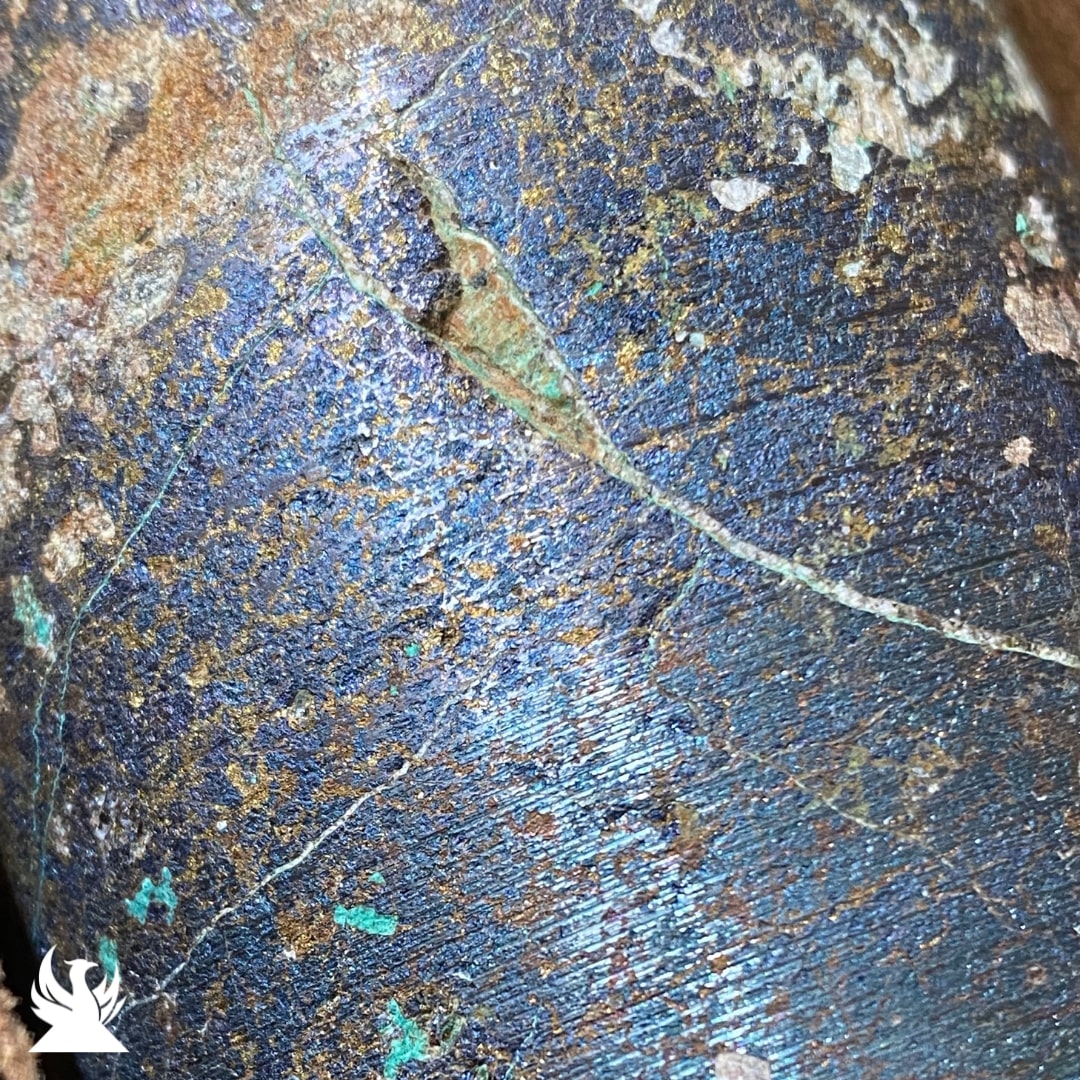
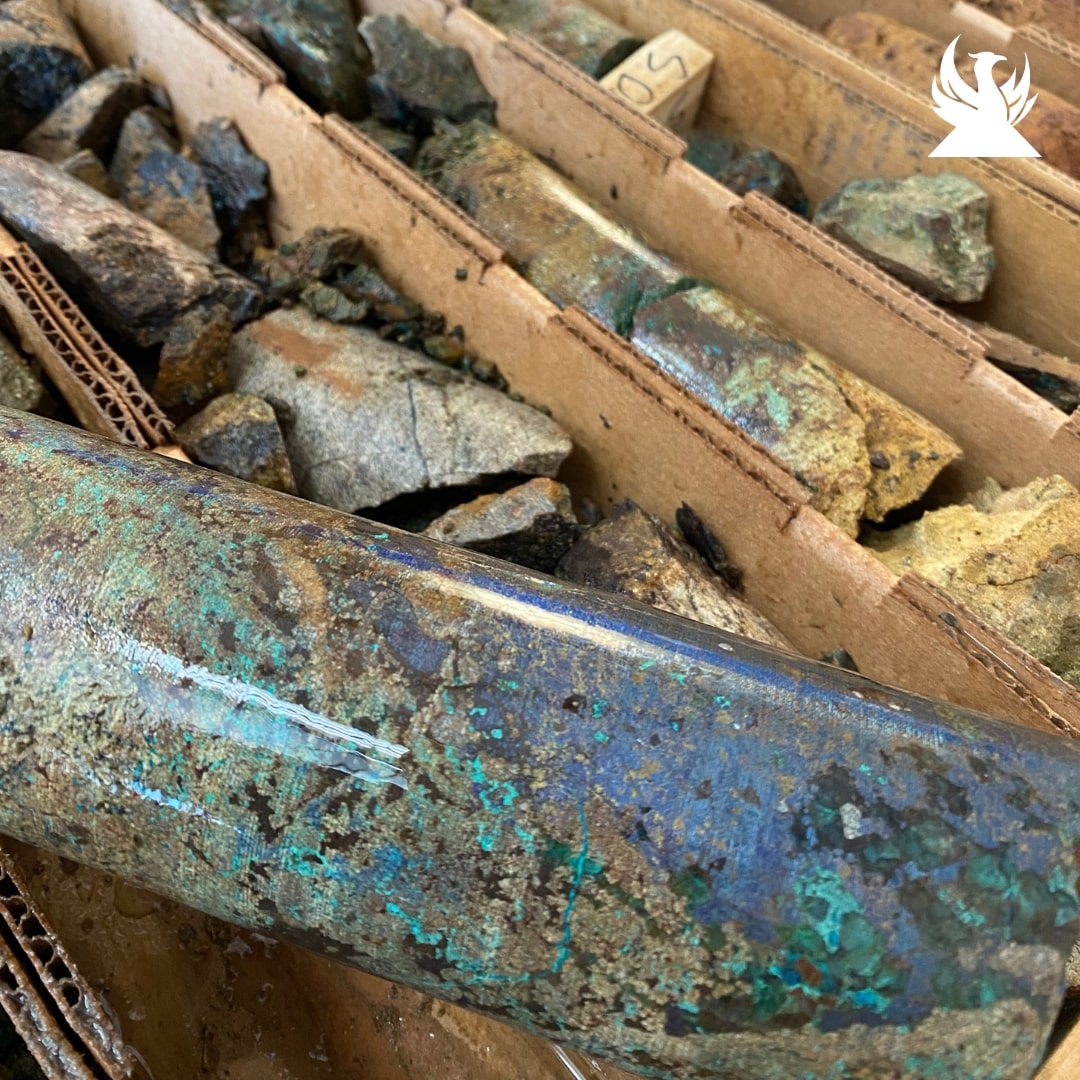
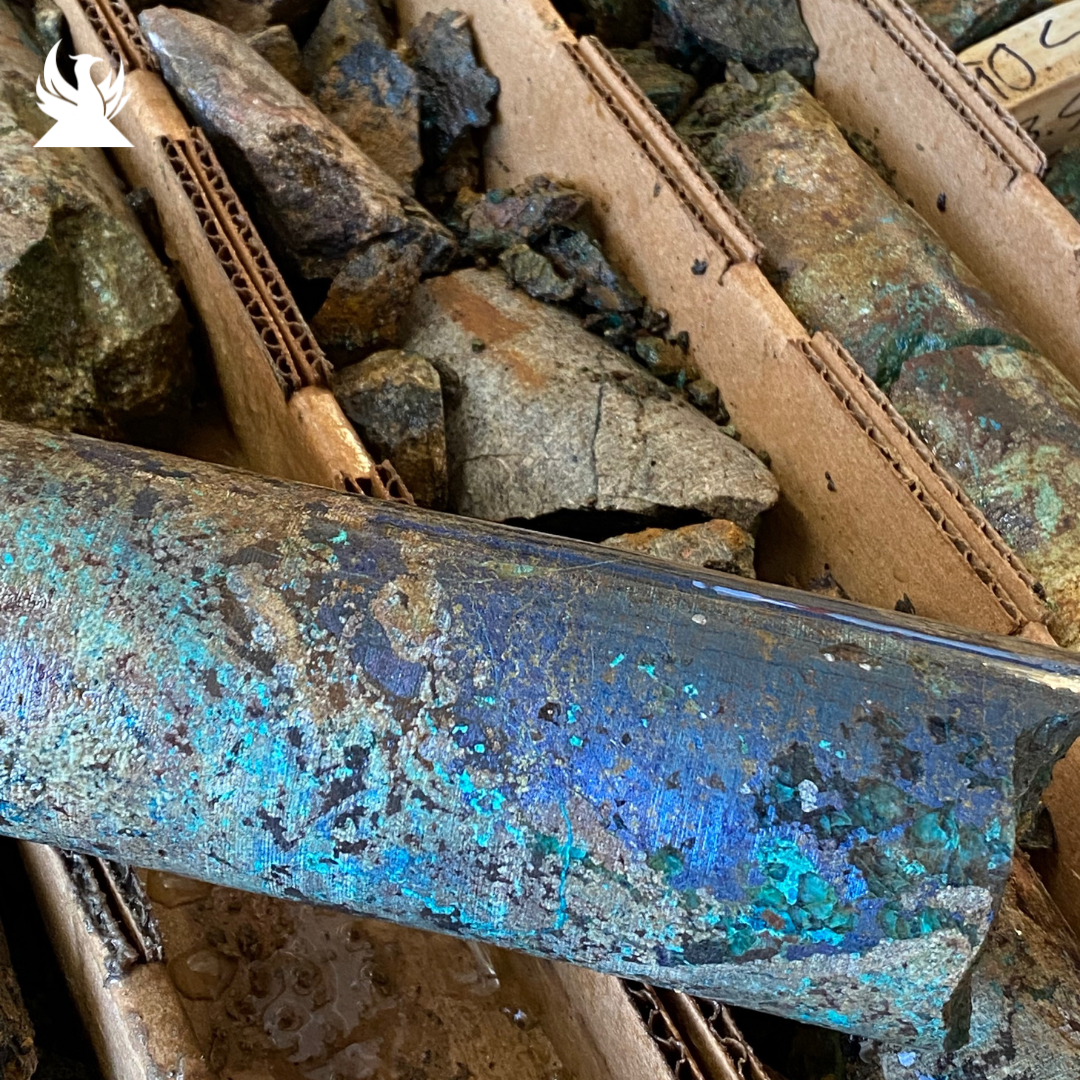
In 2021, we completed a limited drilling program that targeted the underground sulphide system. One drill hole intercepted copper at 8.38%, 2.9g/T gold, 187g/T silver, 4.93% zinc, and 0.8% tungsten. These results not only validate the historical grades and the polymetallic nature of the ore, but also that the resource is far from exhausted.
Future
Fully assessing the scope of the copper sulphides would require extensive, costly exploration over several years. The challenge lies in the 120-meter cap of copper oxides, which makes drilling from above inefficient. Additionally, the vein-hosted nature of the sulphides means a significant number of vertical drill holes would be necessary to accurately map the resource.
Our preferred approach will be to drive an exploration adit below the open pit, allowing drilling access from underground into the known sulphide system. The higher grades associated with underground mining could greatly enhance project economics.
Geology
Mineralization at the Empire Mine is representative of a polymetallic skarn deposit, which contains a range of metals, including copper, gold, and silver. The Empire skarn is a product of carbonate rock, or limestones intruded by the Mackay granite and granite porphyry systems. This altered and replaced the limestone with calc-silicate mineral assemblages during contact metamorphism. The different metals found in the Empire skarn are a product of differing chemical compositions of rock within the skarn system, oxidation state, and the metallogenic affinity of the intrusion that provides the metal-rich source fluids. For example, at the surface, oxide copper is commonly observed, while deeper in the system, sulfide copper is the common occurrence. The metals observed at the Empire Mine Project are indicative of an intermediate I-type granite source.
Sulphide copper mineralization at the Empire Mine Project lies beneath the oxide copper “cap.” Unlike the oxide reserves proven at the Empire, the mass of the sulfide mineralization remains unexplored. Modern-day exploration of the sulphide bodies has been limited to a handful of diamond core drilling. However, historical reports from past mining companies, the United States Bureau of Mines, and USGS documentation suggest significant potential at the Empire Mine.
At copper sulphide grades of 8% and above, the Empire Sulphide Vein System’s potential is significant.
Photo Gallery