Environment
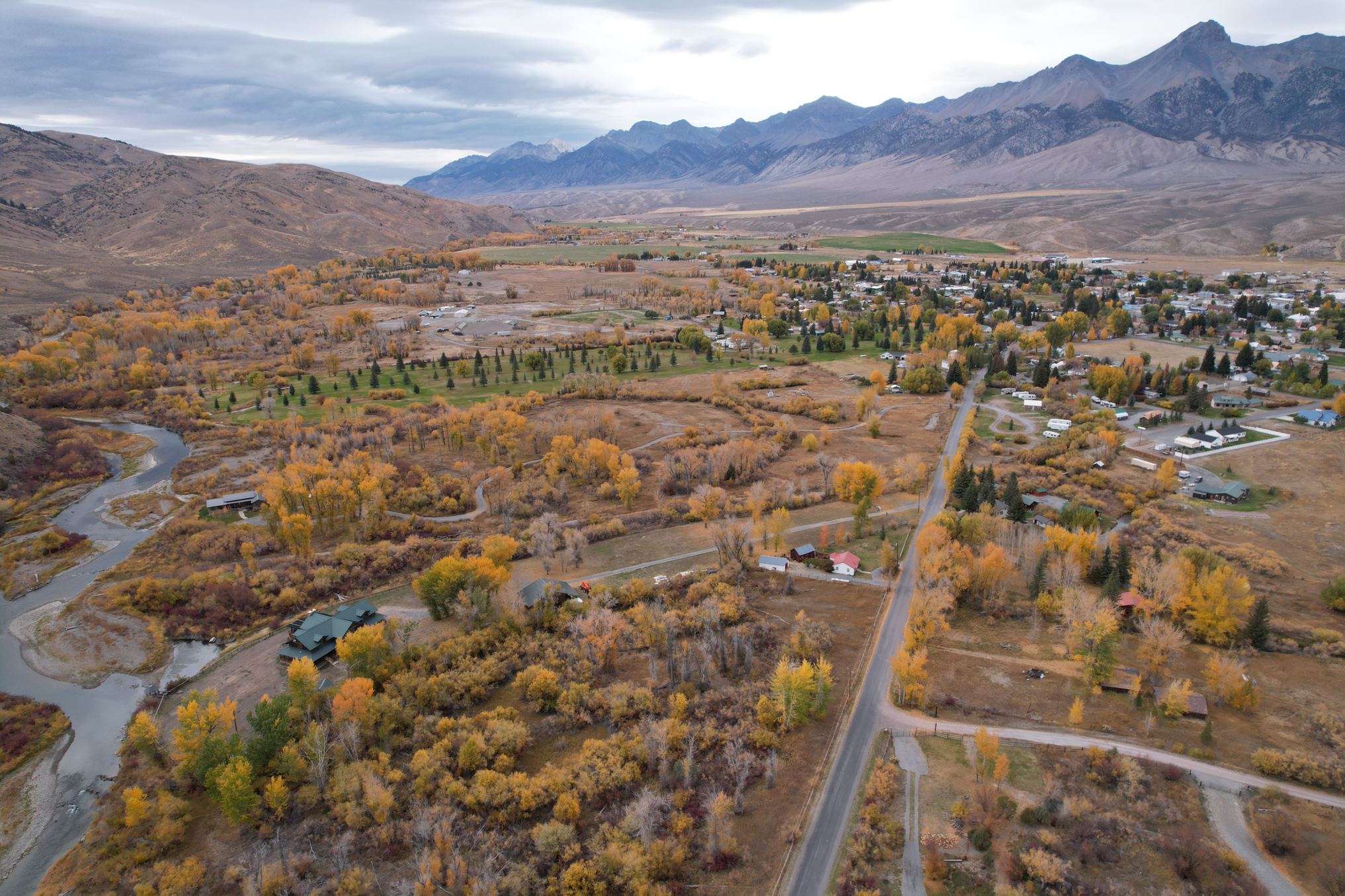
We believe that meaningful progress toward global electrification targets starts with the responsible sourcing of metals like copper, a key component of electrification, energy efficiency, and storage. Our current focus is on developing the Empire Open-Pit Reserve project in Custer County, Idaho.
The copper-focused project is largely situated on private land that is considered a ‘brownfield’ site due to its history of mining activity. Utilizing private land with a history of mining minimizes new disturbance and preserves public land access, creating a strong foundation for an environmentally conscious mining operation.
In preparing to redevelop Empire into an open-pit mining operation that produces copper, gold and silver, a number of rigorous baseline environmental studies have been completed to ensure new mining activity can be completed without causing harm to the area’s valuable land, water and wildlife.
Protecting the environment surrounding our operation is paramount. Through advanced technology and engineering and efficient resource management, we are confident we can present regulators with a mine plan that will allow us to produce the essential metal copper while safeguarding natural resources.
Environmental Baseline Assessments
Phoenix has collected more than seven years of environmental baseline data, which serves as a foundation for developing the Empire Open-Pit mine plan and determining the most effective ways to mitigate any potential environmental impacts. Third-party consultants commissioned all of the assessments. Assessments of the following resources have been completed, some of which will continue on an ongoing basis:
- Noise
- Environmental Geochemistry
- Soils
- Wildlife, Vegetation and Biodiversity
- Geotechnical Engineering
- Surface and Groundwater
- Meteorological Parameters
- Seismic Evaluation
- Visual Resources and Viewshed
- Archaeology
Historical Mining Impacts
In 2005, the Idaho Department of Environmental Quality, as part of the state-mandated Idaho Abandoned Mine Land program (AML), published a report concluding that historical mining activities at the site did not result in significant impacts. The site is located 2,000 feet above the water table, making it naturally well-suited for mining operations. Future mining by Phoenix will adhere to significantly higher environmental standards than those applied in the past.
National Environmental Policy Act
The National Environmental Policy Act (NEPA) requires federal agencies to ensure proper environmental and social considerations have been made in certain proposed development actions, like mining operations. Using the NEPA process, agencies conduct their own independent review of proposed actions and allow for public input before issuing a record of decision, which allows a proposed operation to move forward. This system is put in place to ensure federal approvals are informed by thorough environmental analysis and public input.
Before proposed mining operations can commence, regulators will review the Empire Open-Pit Mine Plan of Operations, prepare a comprehensive analysis of potential environmental impacts, examine alternatives to the proposed mine plan, and review mitigation measures. This analysis is called an Environmental Impact Statement (EIS). An initial draft of the EIS will be published after it is prepared as a way to solicit public comments, allowing for anyone with an interest in the project to engage in the decision-making process.
The proposed Empire Open-Pit Mine federal review process will begin once we submit a final mine plan to the regulatory agency leading the EIS analysis. We are currently in the final stages of engineering and hope to submit our Plan of Operations in early 2025.
Bonding and Reclamation
Bonding and reclamation aim to ensure environmental protection and responsible land management at the end of mine life. Before a mine can begin operations, it is required to designate the funds required for reclaim activities, including replacing topsoil, planting vegetation, monitoring environmental conditions, and regrading land. The amount of money required for this financial assurance is determined by the regulatory agency and ensures enough money is available for reclamation work, even if the mining company fails to follow through with its reclamation obligations set out in its mine plan.